 Crown Shrine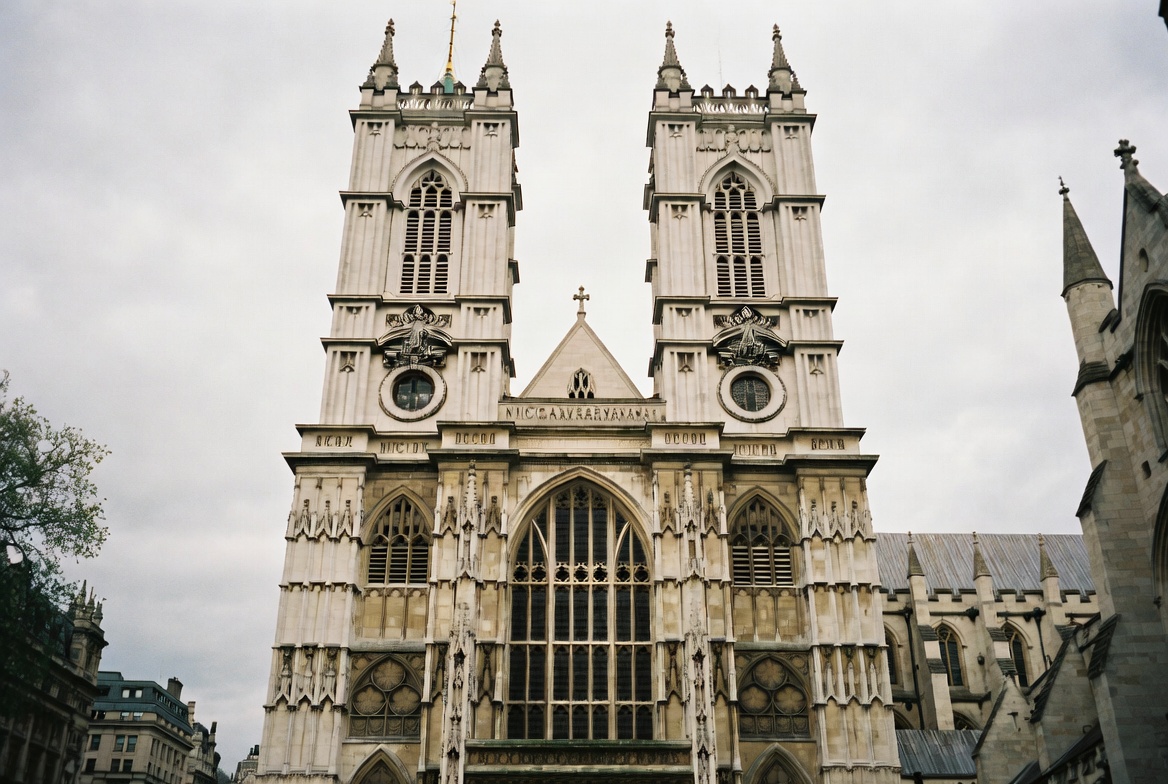
A church on Thorney Island
The site of the Abbey was first marked out as a place of Christian worship in the tenth century, when a small Benedictine community settled on a marshy stretch of the Thames known as Thorney Island. King Edward the Confessor rebuilt their modest church on a grand scale and was buried there in 1066 — the same year that William the Conqueror was crowned in front of his shrine. Coronations have followed in the Abbey ever since.
Henry III's Gothic vision
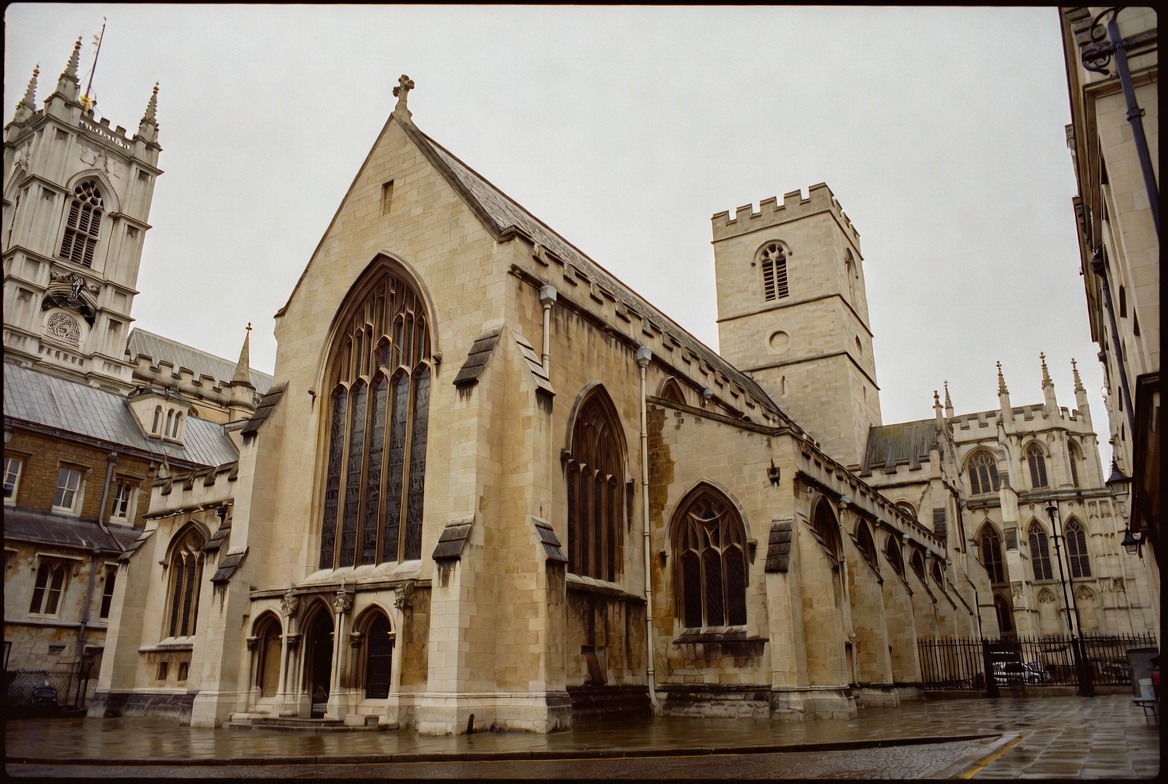
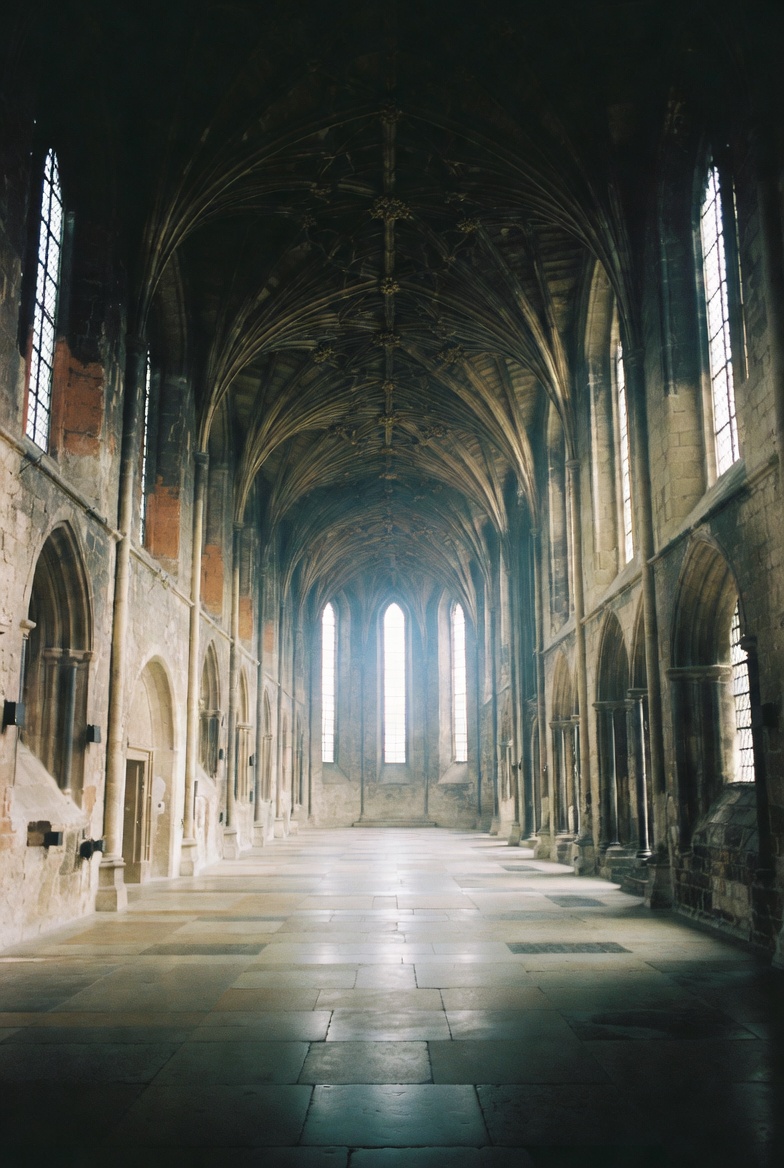
The building seen today is largely the work begun in 1245 under Henry III, who admired the soaring cathedrals of northern France and wanted a worthy resting place for the Confessor. The result is the tallest Gothic nave in England, lined with slender clustered piers and a daring quadripartite vault. Successive centuries added the Lady Chapel of Henry VII — itself the burial place of fifteen kings and queens, including Elizabeth I, Mary I and Mary Queen of Scots — the Cosmati pavement, the great west towers by Hawksmoor, and a constellation of royal tombs and memorials. Forty monarchs have now been crowned beneath its vaults, and thirty lie buried within them; the abbey, alongside the Palace of Westminster and St Margaret's Church, was inscribed as a UNESCO World Heritage Site in 1987.
What to see
- The Coronation Chair, used at every coronation since 1308.
- Poets' Corner, with memorials to Chaucer, Dickens, Hardy and Hawking.
- Henry VII's Lady Chapel — late Perpendicular Gothic at its most exuberant.
- The Cosmati pavement before the High Altar, laid in 1268.
- The Queen's Diamond Jubilee Galleries, set high in the medieval triforium.
Visiting
The Abbey is open to paying visitors most weekdays and on Saturdays. Worshippers may attend daily services free of charge — choral evensong, sung by the Abbey's choir, is at 5 p.m. on most weekdays and offers the most evocative way to experience the building. Photography for personal use is now permitted in most parts of the church.
To stand beneath the lantern of Westminster Abbey is to stand in the spiritual centre of a thousand years of English history.