 Crown Shrine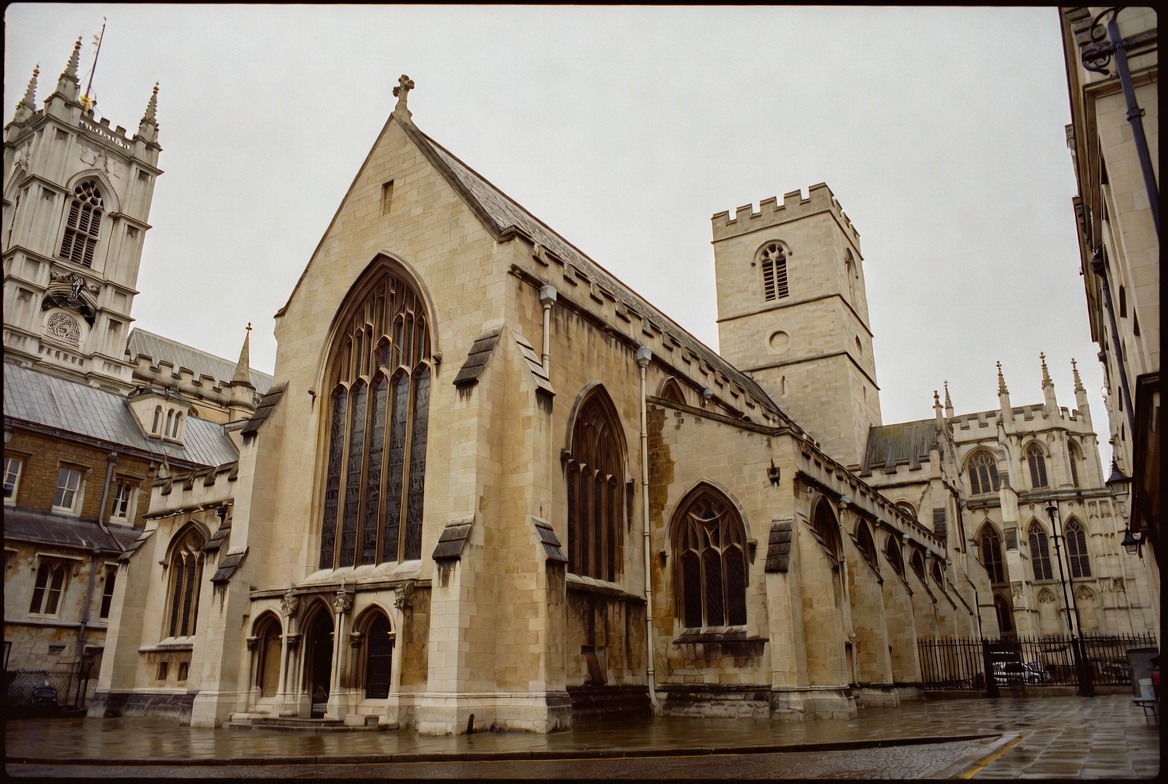
A parish for the people
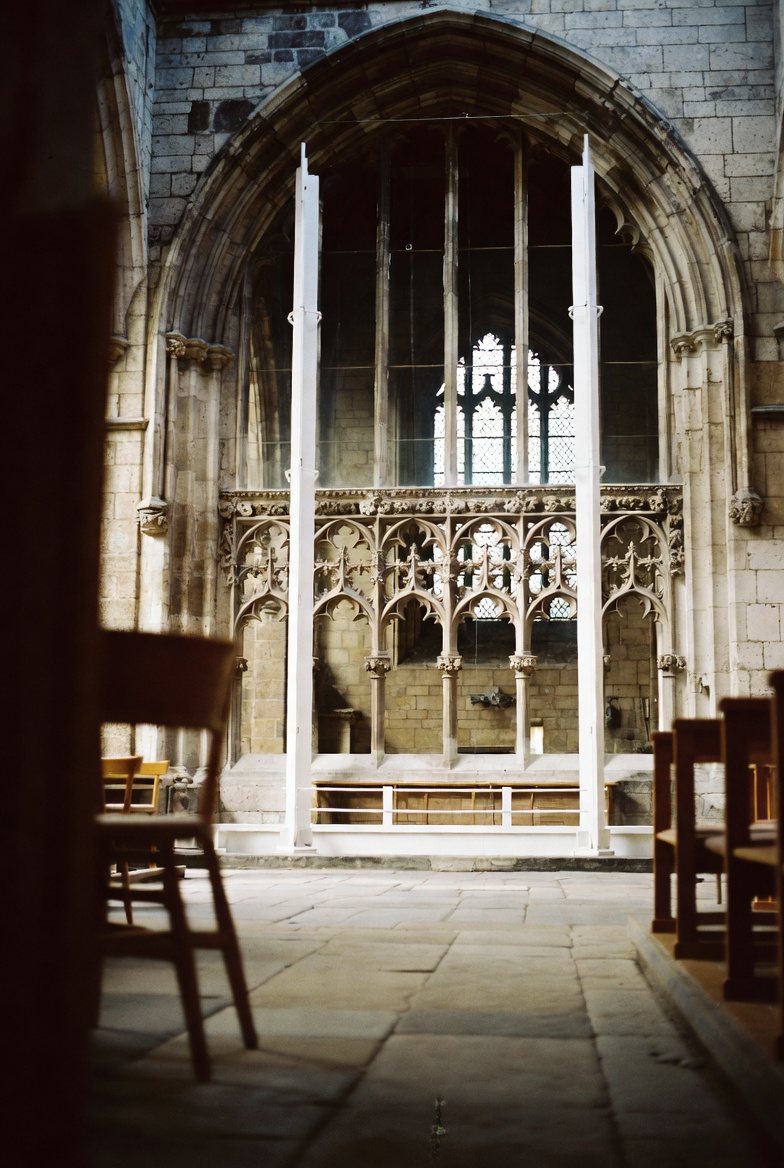
St Margaret's was founded in the twelfth century by the Benedictine monks of the Abbey, who wanted to keep their cloisters free of the laity. The present building dates from the late fifteenth and early sixteenth centuries and is a fine example of late Perpendicular Gothic — light, airy and considerably smaller in scale than its towering neighbour.
The church of Parliament
Since 1614 the House of Commons has met at St Margaret's for special services, and the vicar enjoys the title of Speaker's Chaplain. Sir Walter Raleigh, executed at Old Palace Yard in 1618, was buried in the chancel; John Milton was married here, Samuel Pepys worshipped here as a boy, and Winston Churchill brought his bride Clementine Hozier to the altar in 1908. Each new Parliament still gathers here for a Service for the New Parliament before the first sitting in the Commons.
What to see
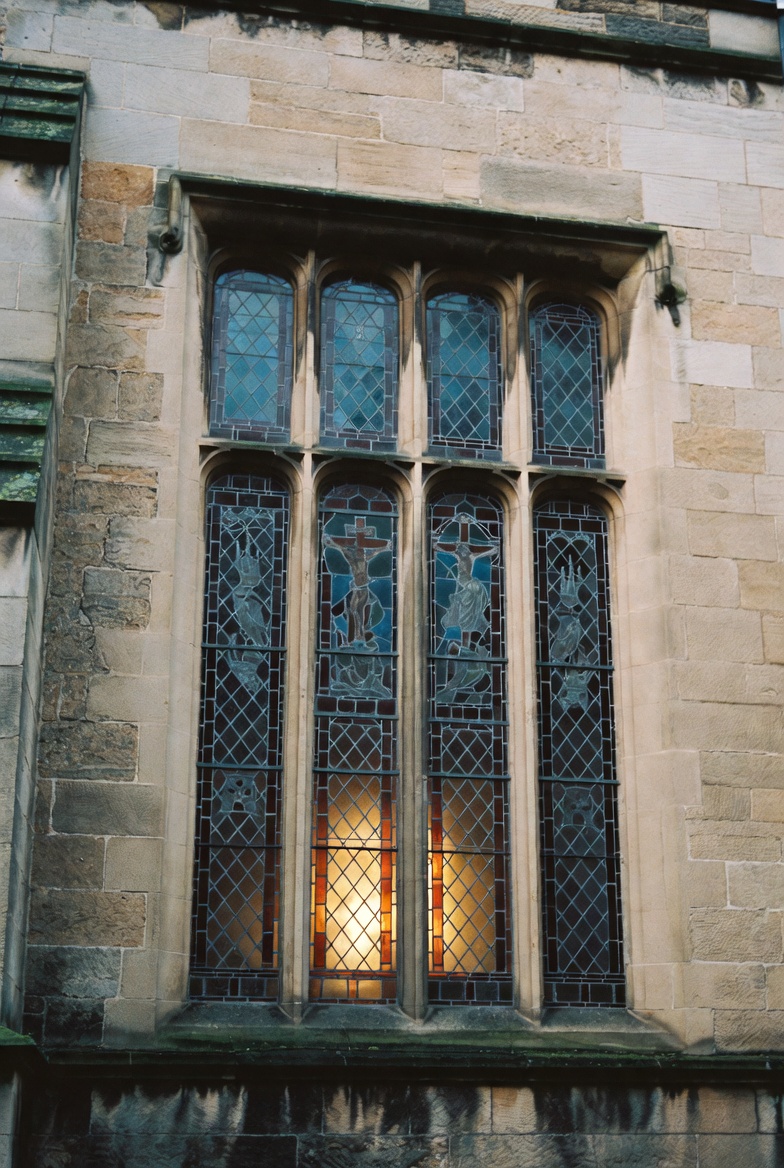
- The early sixteenth-century east window depicting the Crucifixion.
- The tomb slab of Sir Walter Raleigh in the chancel.
- Stained glass commemorating William Caxton, England's first printer.
- Memorials to John Milton and Admiral Robert Blake.
Visiting
St Margaret's is open free of charge on most weekdays and Saturdays. It is small enough to see comfortably in fifteen minutes — combine with a longer visit to Westminster Abbey next door, or with the public tour of the Houses of Parliament across the road.