 Crown Shrine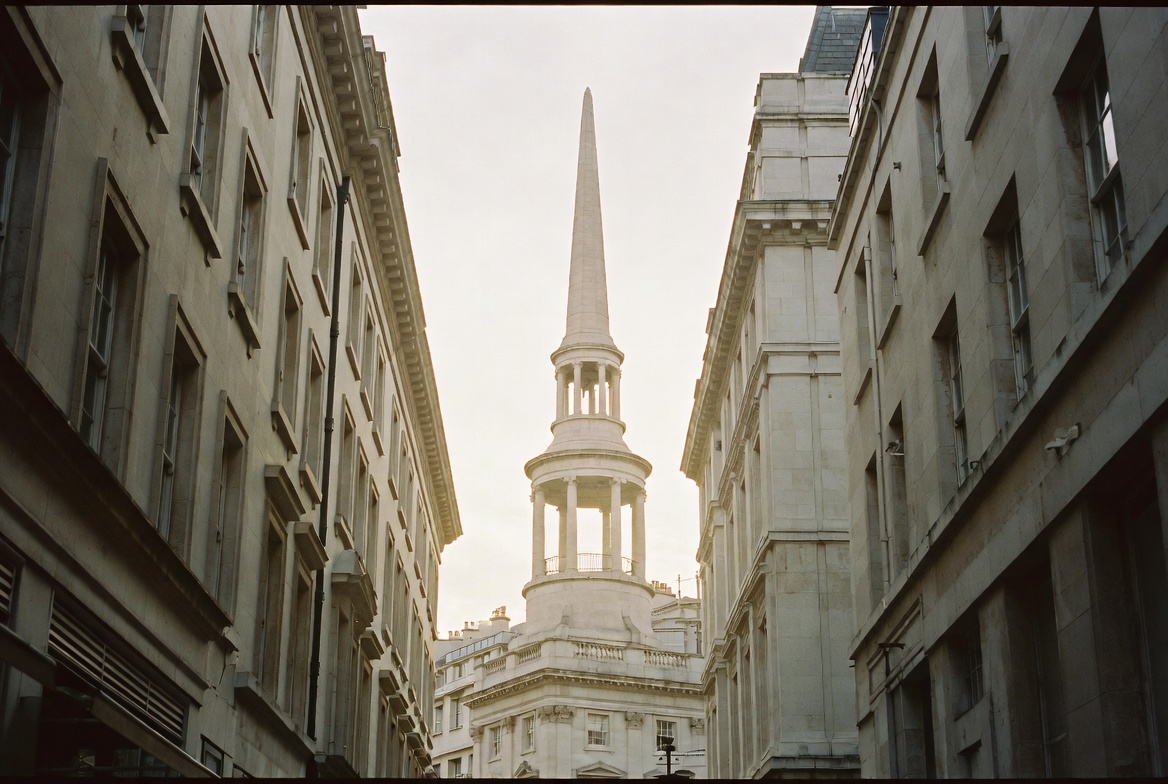
Bow Bells
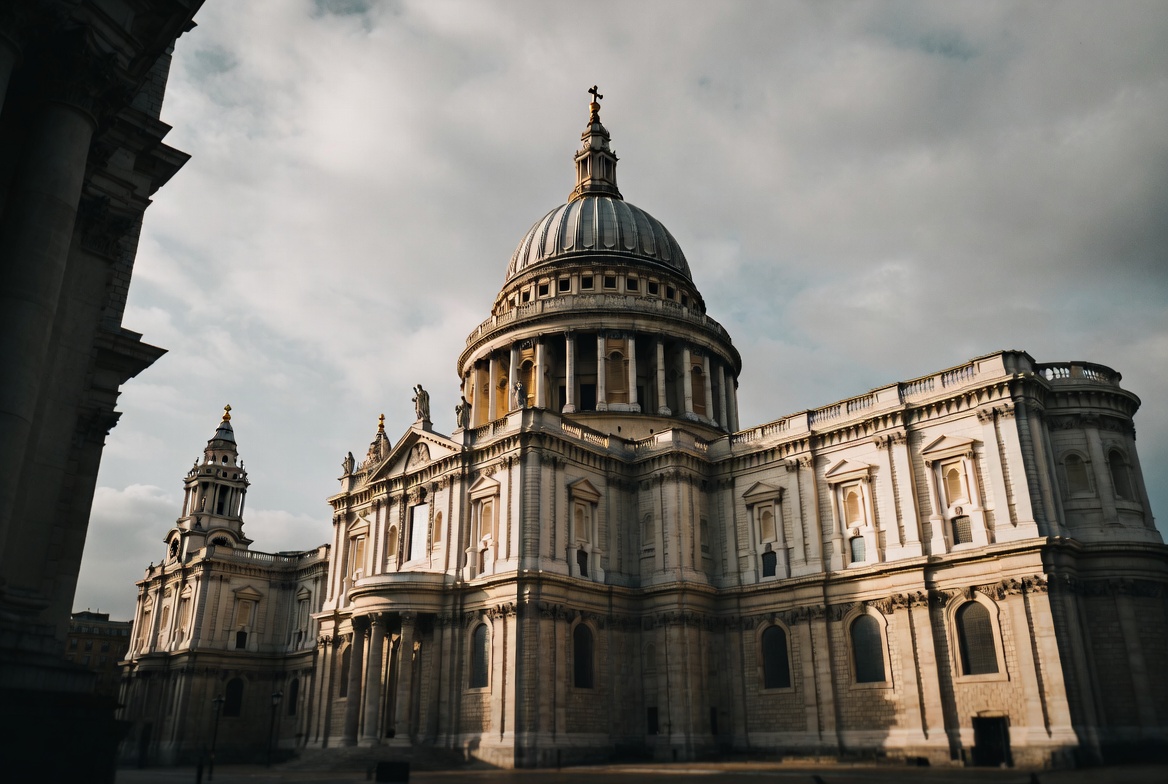
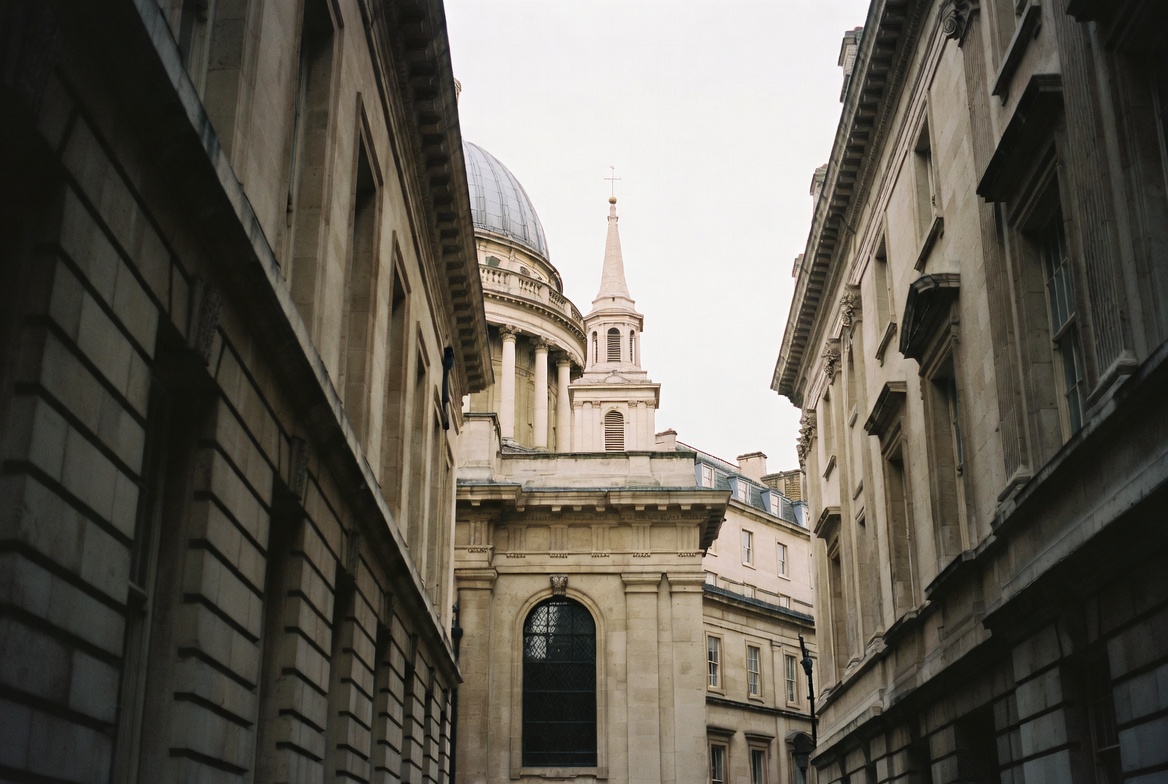
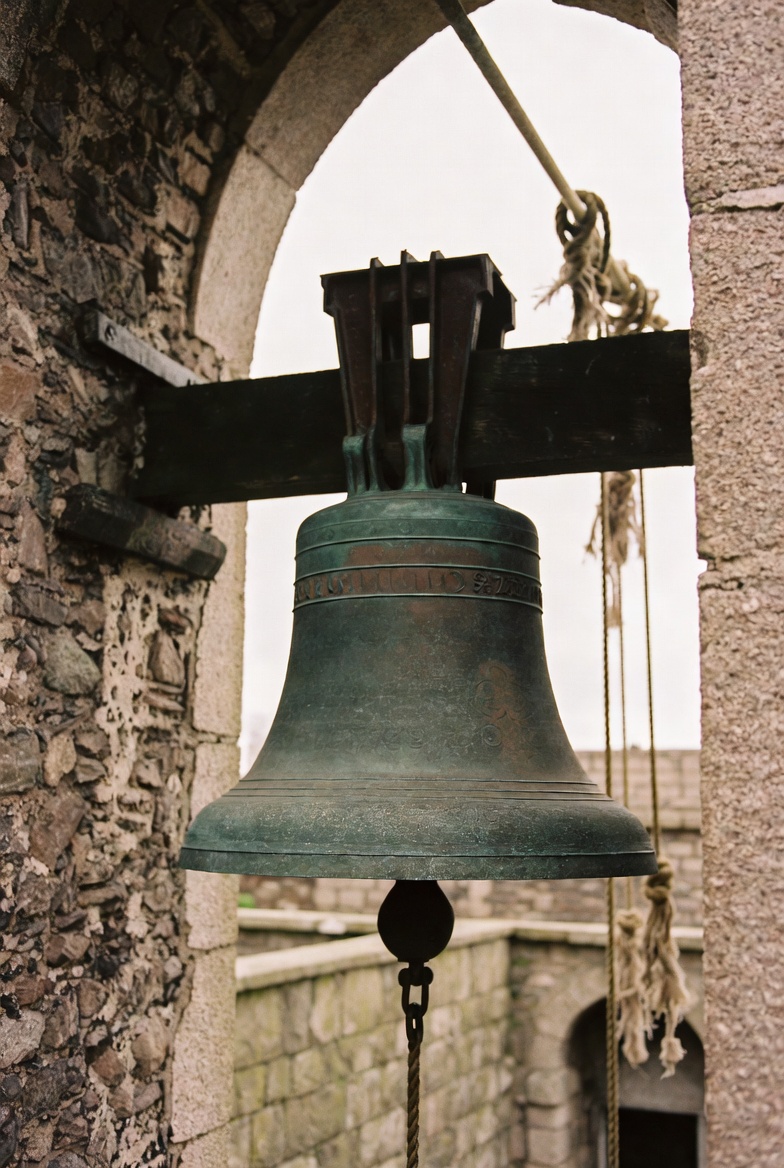
Tradition has it that a true Cockney must be born within earshot of the Bow Bells of St Mary-le-Bow. The bells have rung from this Cheapside spot since at least the eleventh century. The current ring was cast in 2009 and hangs from a Wren steeple that, when finished in 1683, set the pattern for City spires for two centuries.
Twice destroyed, twice raised
The medieval church, originally raised in Caen stone shipped from Normandy by the same masons who clad the Tower of London, was destroyed in the Great Fire of 1666 and rebuilt by Wren. The steeple — a square tower carrying a circular temple beneath an obelisk spire — is the third highest of any Wren church, surpassed only by St Paul's and St Bride's, Fleet Street. It survived two more centuries, only to be reduced almost to rubble by an incendiary bomb in 1941. The interior was rebuilt in the 1960s, while the steeple, miraculously, retained much of its original masonry.
What to see
- Wren's steeple, his most ambitious for any City church.
- The Norman crypt (the original "bow", or arches, that gave the church its name).
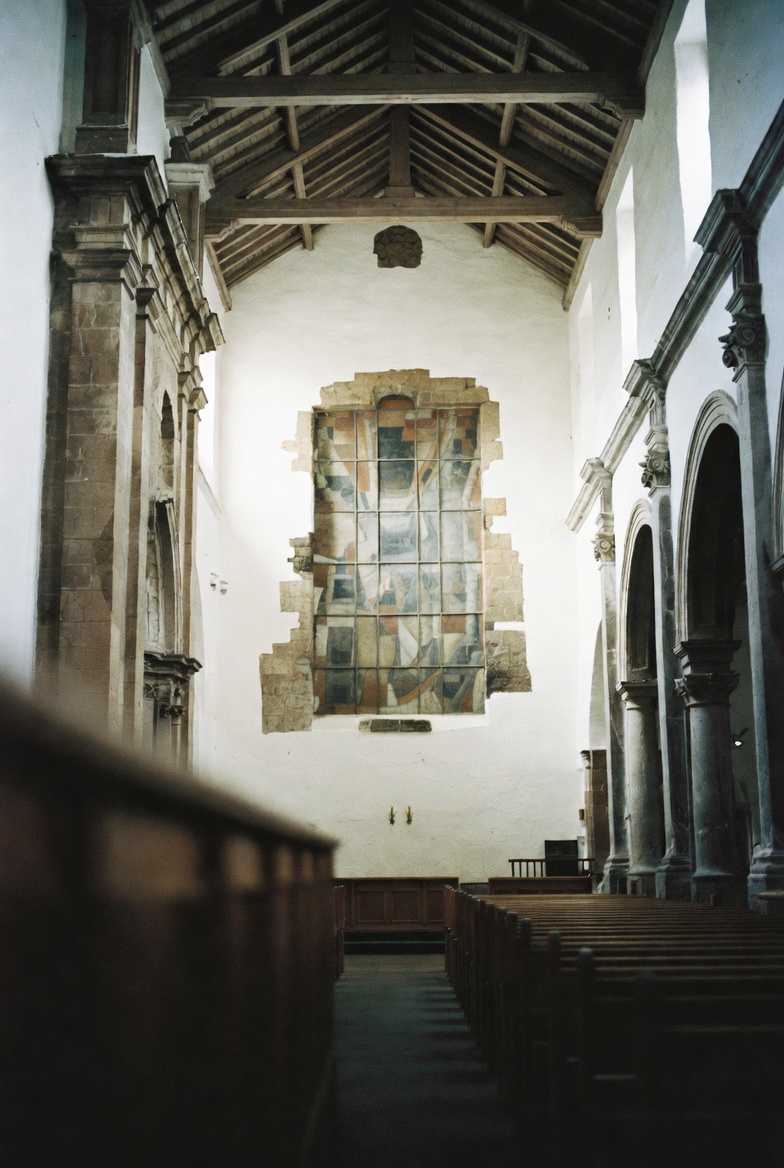
- The post-war stained glass by John Hayward.
- The pulpit and its tradition of incisive lunchtime debates.
Visiting
Free entry weekdays from mid-morning. Lunchtime debates and the Café Below in the crypt make this a popular City stop. Sunday services are limited because of the church's weekday parish.